
- |
-
Radhika
Introduction
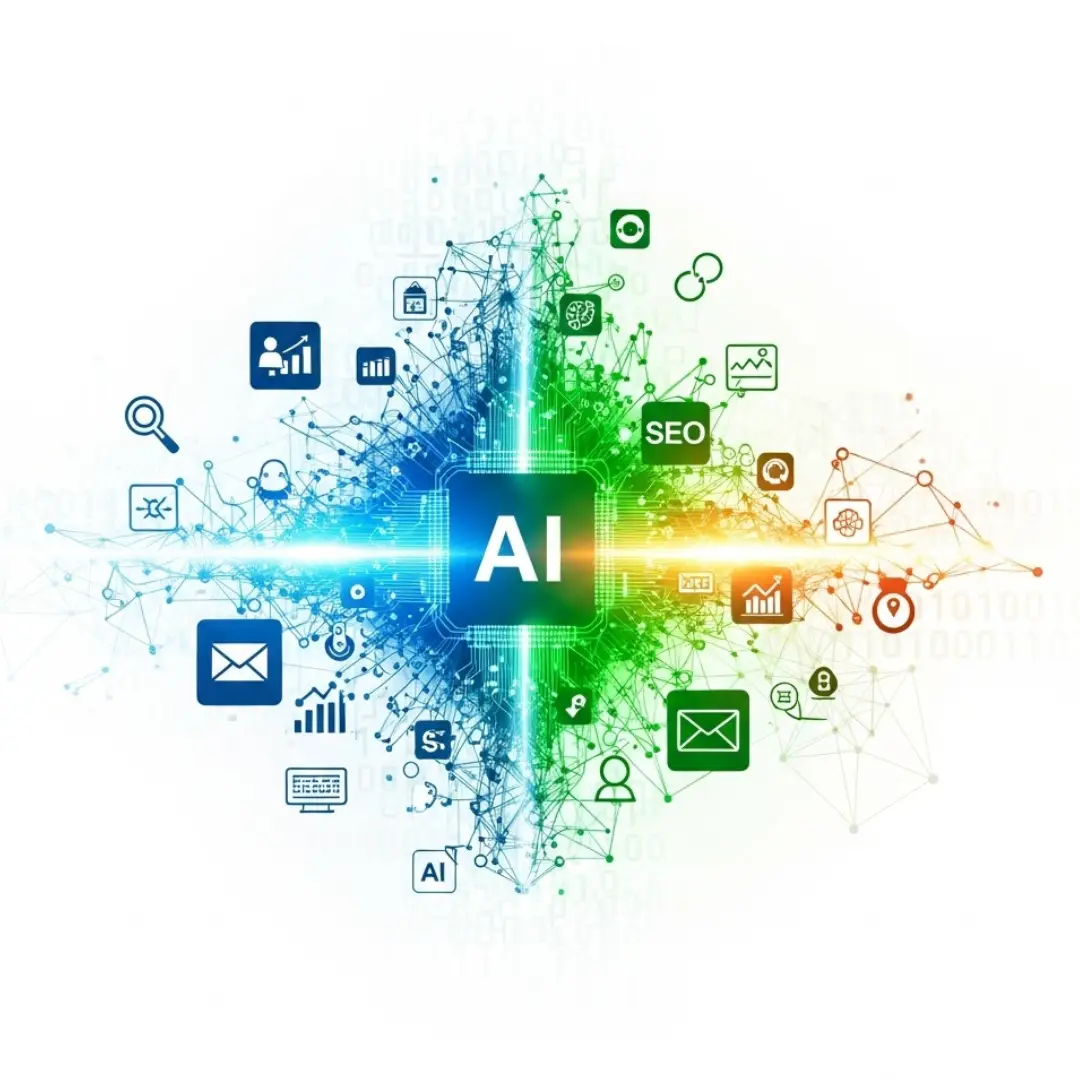
Artificial Intelligence (AI) is reshaping digital marketing, empowering brands to connect with audiences in unprecedented ways. By combining data-driven precision with creative strategy, AI enhances traditional marketing practices while introducing innovative approaches. Below, we explore how AI is revolutionizing digital marketing, its synergy with traditional SEO, and the opportunities and challenges it presents.
1. Hyper-Personalization
AI leverages vast datasets—browsing history, purchase patterns, and social interactions—to craft highly personalized marketing experiences. From tailored email campaigns to dynamic product recommendations, AI ensures content resonates with individual preferences, driving engagement and conversions. For instance, platforms like Netflix use AI to suggest shows based on viewing habits, a tactic now adopted by e-commerce brands to recommend products.
Relation to Traditional SEO: Traditional SEO focuses on optimizing content for broad keyword relevance, but AI takes this further by personalizing content in real-time. While traditional SEO might target “best running shoes,” AI analyzes user behavior to serve specific suggestions like “best running shoes for flat feet” to the right user, enhancing relevance and user satisfaction.
2. Predictive Analytics
AI’s predictive analytics enable businesses to anticipate customer needs, optimize pricing strategies, and identify high-value leads. By analyzing historical data, AI forecasts trends, helping marketers stay ahead of competitors. For example, retail brands use AI to predict seasonal demand, ensuring inventory aligns with customer expectations.
Relation to Traditional SEO: Traditional SEO relies on historical keyword performance, but predictive analytics refines this by forecasting emerging search trends. Tools like Google’s Keyword Planner combined with AI can predict rising keywords, allowing marketers to create content that captures future demand.
3. Chatbots and Virtual Assistants
AI-powered chatbots and virtual assistants provide 24/7 customer support, answering queries, guiding purchases, and resolving issues instantly. These tools enhance user experience while collecting data for further personalization. For example, Sephora’s chatbot suggests makeup products based on user preferences, boosting sales and satisfaction.
Relation to Traditional SEO: Chatbots complement traditional SEO by improving site dwell time and user engagement—key ranking factors. By answering queries directly on a website, chatbots reduce bounce rates, signaling to search engines that the site provides valuable content.
4. Content Creation and SEO Optimization
AI tools like Jasper and SurferSEO generate high-quality content, suggest trending keywords, and optimize blogs for search engines. These tools analyze top-ranking pages to recommend structure, keywords, and tone, ensuring content aligns with search intent. AI also streamlines content ideation, enabling marketers to scale production without sacrificing quality.
Relation to Traditional SEO: Traditional SEO involves manual keyword research and on-page optimization. AI enhances this by automating keyword discovery, analyzing competitor content, and suggesting optimizations like meta descriptions or internal linking strategies, making content more competitive in search rankings.
5. Voice and Visual Search
With the rise of voice assistants (e.g., Alexa, Siri) and visual search technologies (e.g., Google Lens), AI is redefining how customers discover products. Marketers must optimize for conversational queries like “find me a red dress nearby” or image-based searches, creating new opportunities to capture intent-driven traffic.
Relation to Traditional SEO: Traditional SEO focuses on text-based queries, but voice and visual search require optimizing for natural language and image metadata. AI tools help marketers adapt by suggesting long-tail, conversational keywords and optimizing image alt texts, aligning with evolving search behaviors.
6. Smarter Ad Targeting
AI-driven programmatic advertising analyzes user data to deliver ads to the right audience at optimal times. Platforms like Google Ads use AI to refine targeting, reduce wasted spend, and improve return on investment (ROI). For example, AI can identify users likely to convert based on their browsing history, ensuring ads are both relevant and timely.
Relation to Traditional SEO: While traditional SEO drives organic traffic, AI-powered ads amplify visibility by targeting users already engaging with related keywords. Combining SEO insights with AI ad targeting creates a cohesive strategy that maximizes both organic and paid reach.
Benefits of AI in Digital Marketing
- Efficiency: AI automates repetitive tasks like campaign scheduling, performance reporting, and A/B testing, freeing marketers to focus on strategy.
- Data-Driven Insights: Real-time analytics provide actionable insights into customer behavior, enabling agile decision-making.
- Improved ROI: Precise targeting and optimization reduce costs and boost campaign performance.
- Enhanced Customer Experience: Personalized interactions foster stronger connections, building brand loyalty.
Challenges of AI in Digital Marketing
- Data Privacy Concerns: Strict regulations like GDPR and CCPA demand transparent data use, requiring marketers to balance personalization with compliance.
- High Implementation Costs: AI tools and infrastructure can be expensive, especially for small businesses.
- Ethical Issues in AI-Generated Content: Overreliance on AI risks producing generic or misleading content, potentially eroding trust.
- Dependence on Data Quality: AI’s effectiveness hinges on accurate, high-quality data; poor data leads to flawed insights.
Bridging AI and Traditional SEO
Traditional SEO remains a cornerstone of digital marketing, focusing on keyword optimization, backlinks, and technical site performance. AI amplifies these efforts by automating and refining processes. For example, AI tools like Ahrefs or SEMrush analyze backlink profiles faster than manual methods, while natural language processing (NLP) ensures content aligns with user intent. By blending AI’s precision with traditional SEO’s foundational strategies, marketers can achieve higher rankings and better user engagement.
The Future of Digital Marketing: Human + AI Collaboration
The future lies in a symbiotic relationship between humans and AI. While AI excels at data analysis, automation, and optimization, human marketers bring creativity, emotional storytelling, and strategic vision. Emerging trends include:
- AI-Driven AR/VR Marketing: Immersive campaigns that blend augmented and virtual reality for interactive experiences.
- Real-Time Personalization: AI tailoring content instantly based on user interactions.
- AI Influencers: Virtual personas engaging audiences with authentic, data-driven narratives.
Conclusion
AI is not replacing traditional digital marketing—it’s enhancing it. By integrating AI’s data-driven capabilities with traditional SEO’s proven strategies, brands can create personalized, efficient, and impactful campaigns. Those who embrace this hybrid approach will lead the way, delivering meaningful customer experiences and achieving superior ROI in an increasingly competitive digital landscape.